A question many parasitologists puzzle over is how many different species of animals can host a particular species of parasite? Known as host range, it is notoriously difficult to estimate given the confounding effects of sampling effort–the more kinds of animals you survey, the greater the estimated host range for a parasite will be.

A sliver trevally–one of many fish species recorded hosting the parasitic isopod Cymothoa exigua which consumes the fish’s tongue then resides inside the mouth
Honours student Kirsty Milner and I are trialling the use of results-based stopping rules to estimate host ranges, using three species of mistletoes as our case studies:
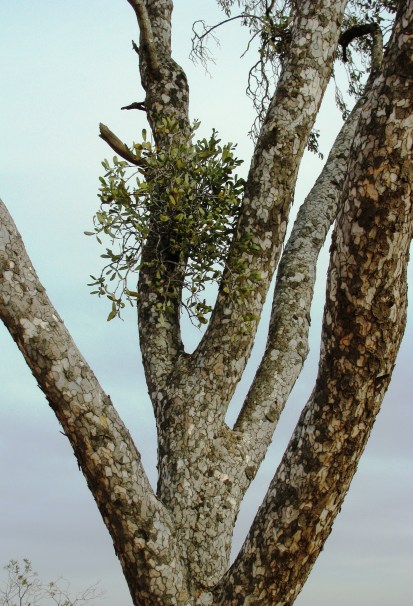
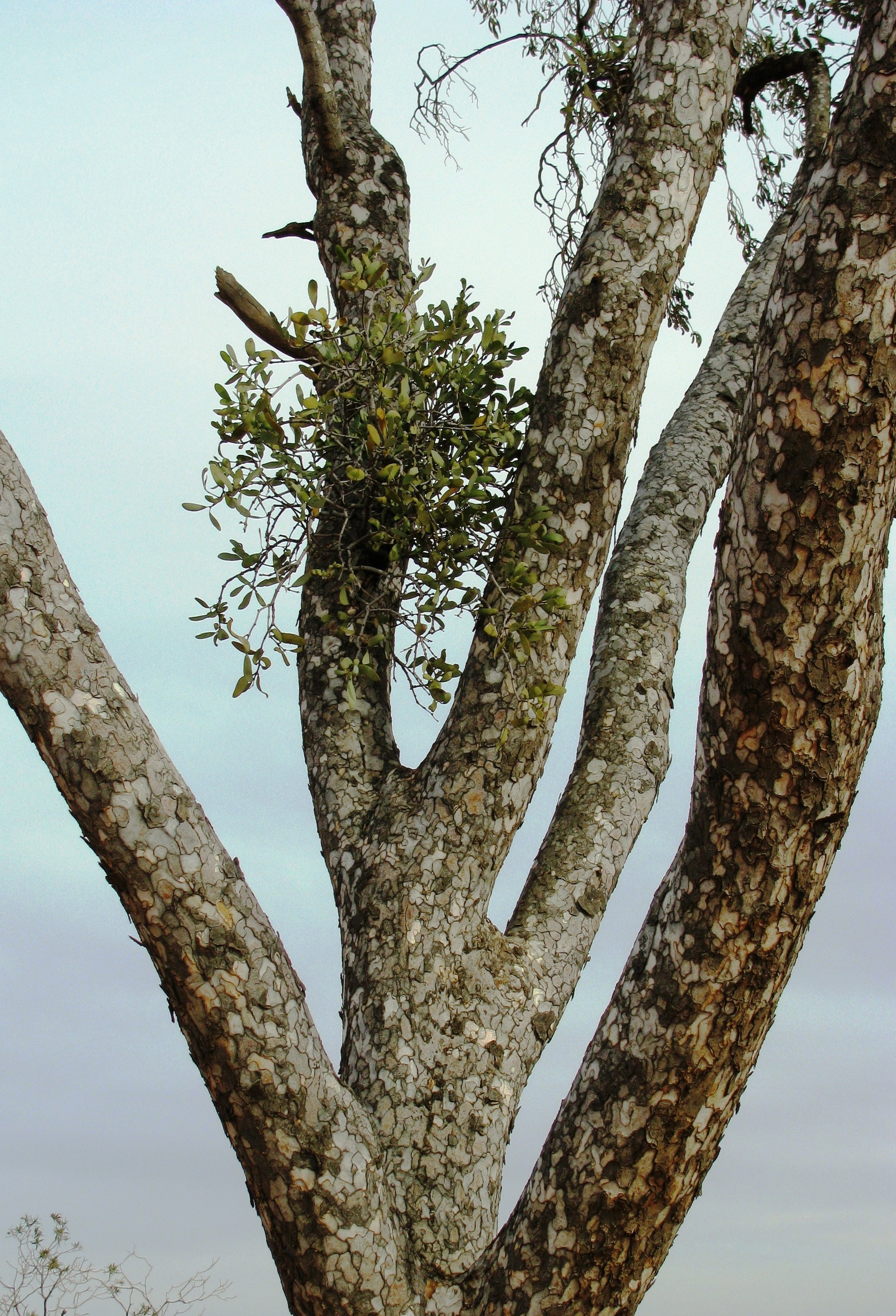
- Amyema lucasii leopardwood mistletoe (a species found primarily on a single host—the stately leopardwood Flindersia maculosa)
- Amyema quandang grey mistletoe (a species primarily infecting species in the genus Acacia)
- Lysiana exocarpi harlequin mistletoe (a species infecting a wide range of species from at least 23 plant familes)
Further details to follow…
 David M Watson, ecologist